كل فريق هندسي يشتهي في نهاية المطاف الشيء المحرّم نفسه: نسخة من قاعدة بيانات الإنتاج للاختبار عليها. فالبيانات الحقيقية تحمل الأشكال والحالات الحدّية والتوزيعات الغريبة التي لا تلتقطها البيانات الاصطناعية أبداً. وهي كذلك، من الناحية القانونية، مشعّة. فما إن يصل اسم عميل أو رقم بطاقته أو سجلّه الطبي إلى بيئة تجهيز أو حاسوب مطوّر محمول، حتى تكون قد صنعت خرقاً ينتظر الوقوع، وبحسب مكان عملك، انتهاكاً لـ GDPR أو HIPAA أو PCI DSS.
وُجد CodeVeil لحلّ هذا التوتر. فهو يأخذ بيانات حقيقية ويُنتج بيانات تتصرف مثلها تماماً — الصيغ نفسها، والعلاقات نفسها، والشكل الإحصائي نفسه — لكنها لا تحتوي أياً من القيم الحساسة الفعلية. وهذه التدوينة عن كيف يفعل ذلك دون الوقوع في الفخاخ التي تجعل الإخفاء الساذج عديم الفائدة.
لماذا الإخفاء أفضل من الحذف
المقاربة البديهية هي مجرد تجريد الحقول الحساسة: تفريغ عناوين البريد، وتبييض أرقام البطاقات، وحذف الأسماء. وهي أيضاً المقاربة التي تكسر كل شيء في المراحل اللاحقة.
إن فرّغت عمود البريد الإلكتروني، فإن كل مسار في الشيفرة يتحقق من البريد أو يحلّله أو يربط عليه سيتصرف الآن في بيئة الاختبار بشكل مختلف عن الإنتاج. تنجح اختباراتك على بيانات لا يمكن أن تقع في الواقع. وتختبئ العلل التي كنت تحاول اصطيادها في الحقول نفسها التي أتلفتها.
يتخذ الإخفاء موقفاً مختلفاً: احفظ كل شيء في البيانات ما عدا معناها. فالبريد المُخفى يظل بريداً صحيحاً نحوياً وفريداً ومصاغاً بشكل سليم — لكنه ببساطة لا يخص أحداً. هذا هو الفرق بين بيانات اختبار يمكنك الوثوق بها وبيانات اختبار تكذب عليك.
التمويه الحافظ للصيغة
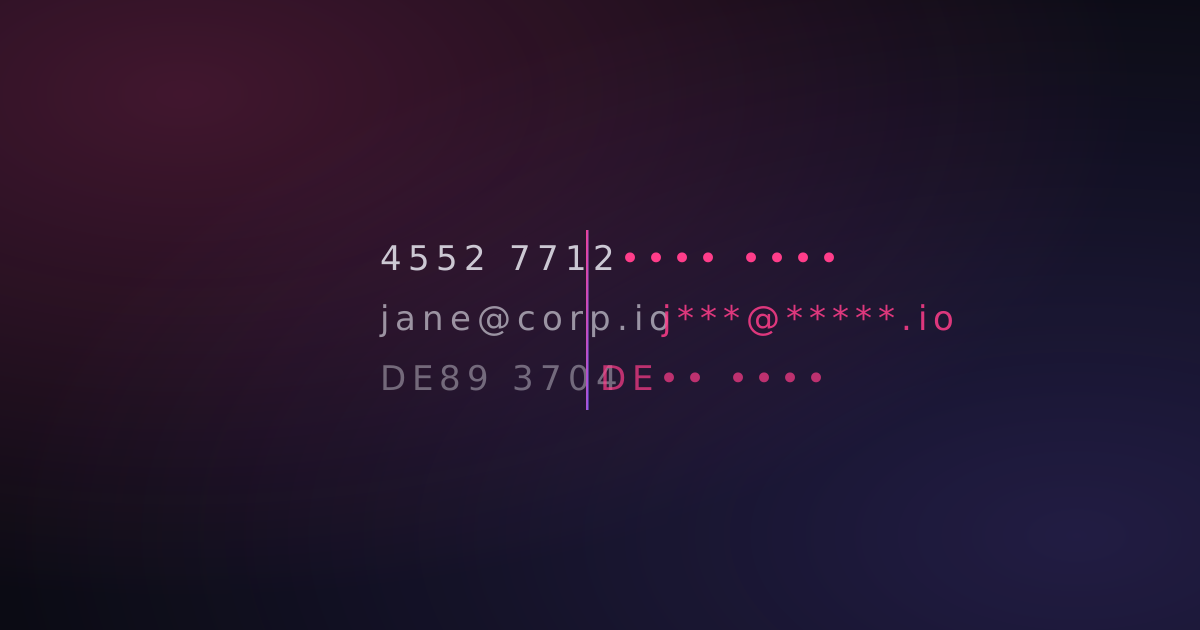
التقنية الجوهرية هي الإخفاء الحافظ للصيغة. يبدو الناتج كالمُدخل عند كل مستوى قد يفحصه برنامج، فلا يستطيع أي شيء في المراحل اللاحقة أن يميّز الفرق.
- يُستبدل رقم بطاقة الائتمان برقم مختلف يظل يجتاز تدقيق Luhn ويحافظ على بادئة الجهة المُصدِرة، فتتصرف مسارات شيفرة الدفع بشكل مطابق.
- يحافظ رقم الهاتف على بنية رمز الدولة ورمز المنطقة.
- تحافظ الهوية الوطنية على طولها وأرقام التحقق فيها وقواعد صيغتها الداخلية.
- ينزاح تاريخ الميلاد ضمن نافذة محدودة، فتبقى الأعمار واقعية ولا تنهار تحليلات الفئات.
التماسك المرجعي هو الجزء الذي يستهين به الناس. فإن ظهر معرّف عميل في جدول الطلبات وجدول المدفوعات وجدول تذاكر الدعم، وجب على الإخفاء أن يستبدله بالقيمة الجديدة نفسها في الجداول الثلاثة، وإلا انكسرت عمليات الربط لديك. يُخفي CodeVeil بشكل حتمي: المُدخل نفسه، تحت المفتاح نفسه، يُنتج دائماً الناتج نفسه. وهذا يعني أن customer_9f3a يصبح الرمز المُخفى نفسه في كل مكان يظهر فيه، وتبقى كل علاقة مفتاح خارجي في مخططك سليمة بعد العملية.
وحين تحتاج فعلاً إلى استعادة الأصل — تصعيد دعم، أو طلب قانوني — يتوفر ترميز قابل للعكس. تُحفظ خريطة التحويل تحت مفاتيح مُدارة، فتكون الاستعادة ممكنة لمن يملكون الصلاحية ومستحيلة على كل من لا يملك سوى النسخة المُخفاة.
واجهة المعالجة الدفعية
إخفاء سجلّ واحد سهل. أما إخفاء مئة مليون فمسألة هندسية، وهي التي تحدد ما إذا كانت الأداة قابلة للاستخدام عملياً.
تقبل واجهة المعالجة الدفعية في CodeVeil ما يصل إلى 10,000 سجلّ لكل طلب. تُشغّل المهمة التحويلات الحتمية نفسها على المجموعة بأكملها، وهذا ما يُبقي التماسك المرجعي متسقاً حتى حين تُقسَّم مجموعة بيانات منطقية واحدة على آلاف الطلبات — فالمفتاح، لا حدود الطلب، هو ما يقرّر الناتج.
يبدو استدعاء خط المعالجة النموذجي هكذا:
curl -X POST https://api.codeveil.com/v1/mask/batch \
  -H "Authorization: Bearer $CODEVEIL_KEY" \
  -H "Content-Type: application/json" \
  -d '{
    "schema": "customers",
    "records": [
      { "id": "c_1042", "email": "[email protected]", "card": "4539511234567890" },
      { "id": "c_1043", "email": "[email protected]",   "card": "4485119876543210" }
    ],
    "rules": {
      "email": "email_preserve_domain",
      "card":  "luhn_preserve_prefix",
      "id":    "tokenize_deterministic"
    }
  }'
كل حقل يسمّي القاعدة التي تنطبق عليه، فيقود تعريف مخطط واحد كل تشغيلة. وللفرق التي لا تريد خط معالجة بيانات على الإطلاق، تقرأ الموصّلات المباشرة لـ PostgreSQL وMySQL وMongoDB وS3 المصدر، وتُخفي في المكان نفسه أو إلى وجهة، وتكتب الناتج — دون أي شيفرة ربط بينها.
الامتثال قيد تصميمي، لا ميزة
من المغري التعامل مع GDPR وHIPAA بوصفهما قائمة تحقق تُلحقها في النهاية. لكن عملياً، يشكّل الامتثال البنية المعمارية منذ البداية.
- تقليل البيانات (المادة 5 من GDPR) هو المنطلق كله: البيانات المُخفاة ليست بيانات شخصية، فتقع خارج جزء كبير من نطاق اللائحة. وهذا صحيح فقط إن كان الإخفاء غير قابل للعكس بالنسبة للأطراف التي تحمله — ولهذا تعيش مفاتيح الترميز منفصلة عن الناتج المُخفى.
- إزالة التعريف وفق HIPAA لها عتبة محددة: إزالة أو تحويل 18 فئة من المعرّفات. يأتي CodeVeil بقوالب قواعد مرتبطة بتلك الفئات كي يُزال التعريف عن مجموعة بيانات صحية وفق المعيار الفعلي، لا وفق تخمين له.
- مسارات التدقيق مهمة لأن «لقد أخفيناها» ادّعاء قد تُضطر إلى إثباته. تسجّل كل مهمة دفعية ما الذي جرى تشغيله، وعلى أي مخطط، وتحت أي قواعد، فيكون لديك سجلّ جاهز للتدقيق بدل الوعد.
وضع الفشل الخفي هنا هو إخفاء قابل للعكس تقنياً بالاستدلال. فإن أزحت كل تاريخ ميلاد بمقدار 30 يوماً بالضبط، استطاع من يعرف قيمة حقيقية واحدة أن يكشف العمود بأكمله. تحويلات CodeVeil مُفتَّحة بمفاتيح وغير خطية تحديداً لإغلاق ذلك الباب — فالواقعية لا يمكن أن تأتي على حساب إخفاء الهوية.
أين يناسب هذا
الفرق التي تجني أكثر ما يمكن من CodeVeil هي التي ذاقت الألم: مسؤول ضمان الجودة الذي يحتاج بيانات واقعية لكنه لا يستطيع لمس الإنتاج، وفريق المنصة الذي يبني مستودع تحليلات متوافقاً مع الأنظمة، والشركة التي تستعد لتدقيق SOC 2 وتكتشف كم من البيانات الشخصية تسرّب إلى أماكن لا ينبغي أن يكون فيها.
الفكرة بسيطة. لا ينبغي أن تُضطر إلى الاختيار بين بيانات اختبار واقعية وبيانات اختبار آمنة. الإخفاء الحافظ للصيغة والمتّسق مرجعياً يمنحك الاثنين معاً — وهو النسخة الوحيدة من «أعطني نسخة من الإنتاج» التي يمكن لفريق أمان أن يوافق عليها فعلاً.